
How Social Facilitation Powers Up Local Economies Through Community Infrastructure Projects in South Africa
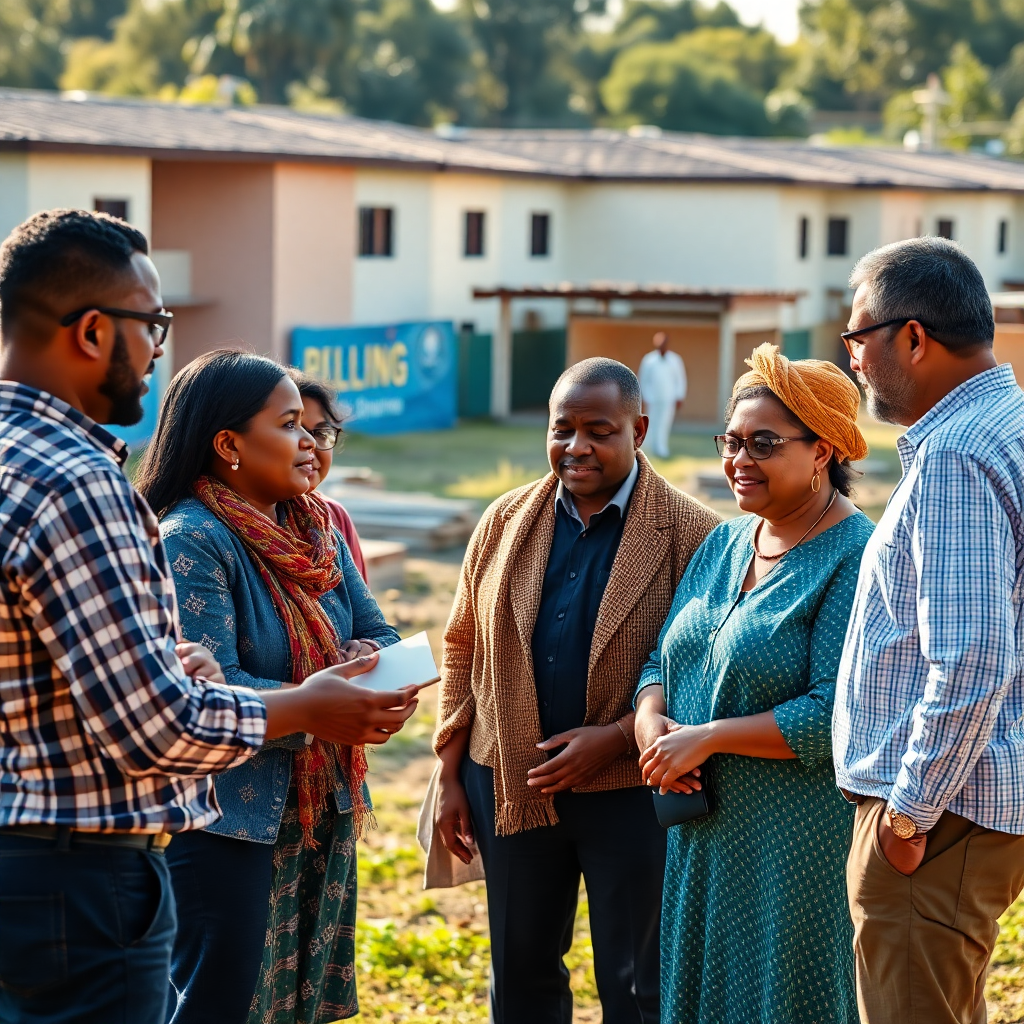
Imagine walking through a newly upgraded township precinct—roads resurfaced, children playing in a safe community park, informal traders operating in organised spaces, and a community hall buzzing with activity again.
Nearby, local contractors are working on-site, young people are gaining skills through labour programmes, and families are beginning to feel hopeful about what development can truly bring.
These vibrant scenes are more than infrastructure improvements. They are visible outcomes of a powerful social dynamic known as social facilitation.
When communities come together around development, progress accelerates—but more importantly, local economies begin to strengthen in ways that many infrastructure projects fail to unlock. This is how Social Facilitation Powers up Local Economies.
So, what exactly is social facilitation, and how does it turn community infrastructure projects into engines of Local Economic Development (LED) in South Africa?
Let’s explore.
Unpacking Social Facilitation: The Invisible Catalyst Behind LED
At its core, social facilitation refers to the way individuals perform better and more effectively when they are part of a group. Originally studied in psychology, it suggests that the presence of others enhances motivation, effort, and performance—especially for familiar tasks.
For example, a neighbourhood-led park renovation not only results in a beautiful green space but also ignites a sense of ownership and pride among residents. This collective motivation encourages ongoing participation, sustainability, and even attracts external investments—boosting economic activity.
But when applied to community development, social facilitation becomes much more than individual performance. It becomes a collective force that shapes: community ownership, project legitimacy, local participation, economic inclusion, and long-term sustainability.
For example, when residents actively participate in the upgrading of a park, housing development, or water infrastructure, the project becomes more than construction. It ignites pride, shared responsibility, and ongoing involvement.
That collective energy is what transforms infrastructure spending into real LED outcomes.
Why Social Facilitation Matters in Community Infrastructure Projects
1. Faster Project Delivery and Better-Quality Outcomes
When communities are meaningfully involved, infrastructure projects are often completed more smoothly and with fewer disruptions. Shared commitment creates accountability, while local knowledge helps solve challenges early.
In South Africa, projects that engage ward committees, local leadership, and community structures tend to experience fewer delays and stronger cooperation.
Infrastructure becomes more efficient when communities feel included rather than sidelined.
2. Building Social Capital and Trust for Local Economic Growth
Community participation strengthens trust between: residents, contractors, municipalities, local businesses and implementing agents, these networks form the foundation of resilient local economies.
An engaged community becomes more attractive to entrepreneurs and investors because the environment feels stable, cooperative, and future-focused.
Social facilitation builds the social capital that LED depends on.
Project Funds as Local Economic Stimulus
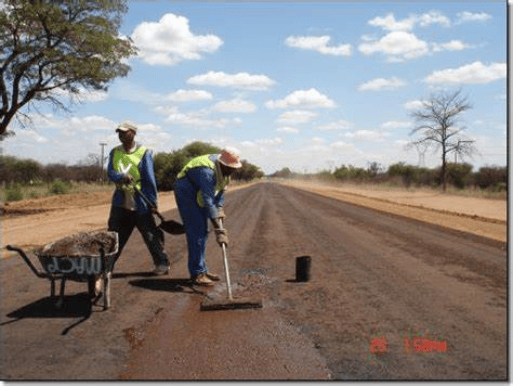
Every infrastructure project brings financial flows into a local area through: labour budgets, procurement packages, subcontracting opportunities, skills development allocations, and enterprise support initiatives.
The question is: Do these funds circulate locally—or do they leave the community?
Social facilitation ensures that project investment translates into inclusive local benefit rather than bypassing intended participants. A strong example comes from South Africa’s rural energy infrastructure space.
The Upper Blinkwater hybrid mini-grid project demonstrated how community involvement in planning and maintenance strengthened local ownership and long-term viability—showing how participation improves both sustainability and economic value.
3. Job Creation and Transparent Local Recruitment
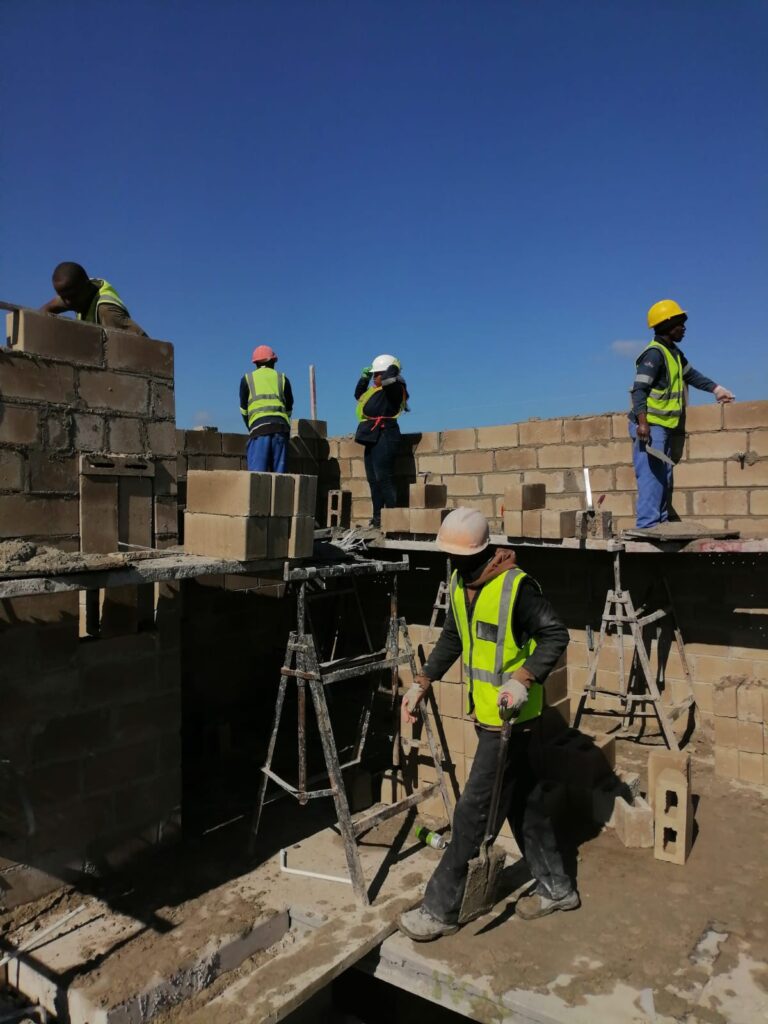
Local employment is one of the most sensitive and important aspects of LED.
Many South African infrastructure projects face conflict when recruitment is perceived as unfair or unclear. Social facilitation helps establish transparent systems such as credible labour desks, clear communication of job categories, engagement with ward committees, grievance mechanisms to resolve disputes early
When communities trust the process, job creation becomes a stabilising force rather than a source of tension.
This is how infrastructure projects deliver not only jobs, but social legitimacy.
4. Skills Development That Creates Long-Term Opportunity
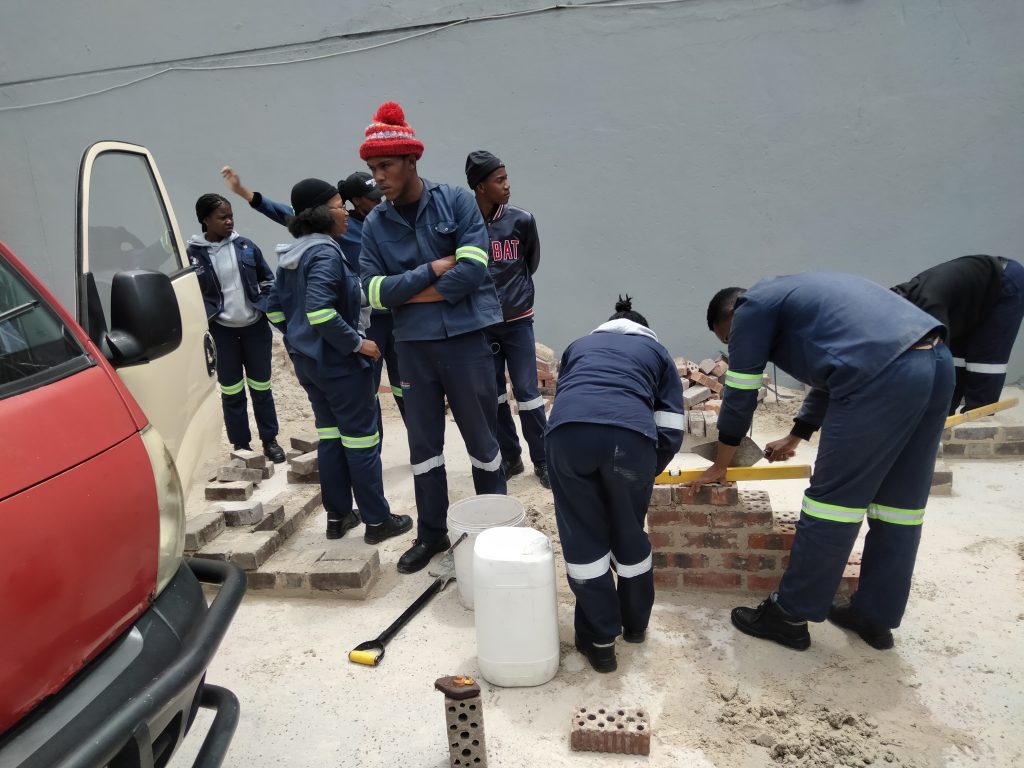
Skills development is one of the most powerful tools for LED in South Africa, especially through: EPWP-linked opportunities, artisan development programmes, learnerships and accredited training, and youth employment pathways.
Social facilitation strengthens these outcomes by aligning training with real project opportunities and ensuring communities understand how to access them.
Instead of symbolic training, facilitation creates pathways into: employability, enterprise participation, and long-term livelihoods.
5. SMME Inclusion and Local Procurement as Economic Multipliers
Inclusive LED requires more than short-term labour. It requires local enterprise participation.
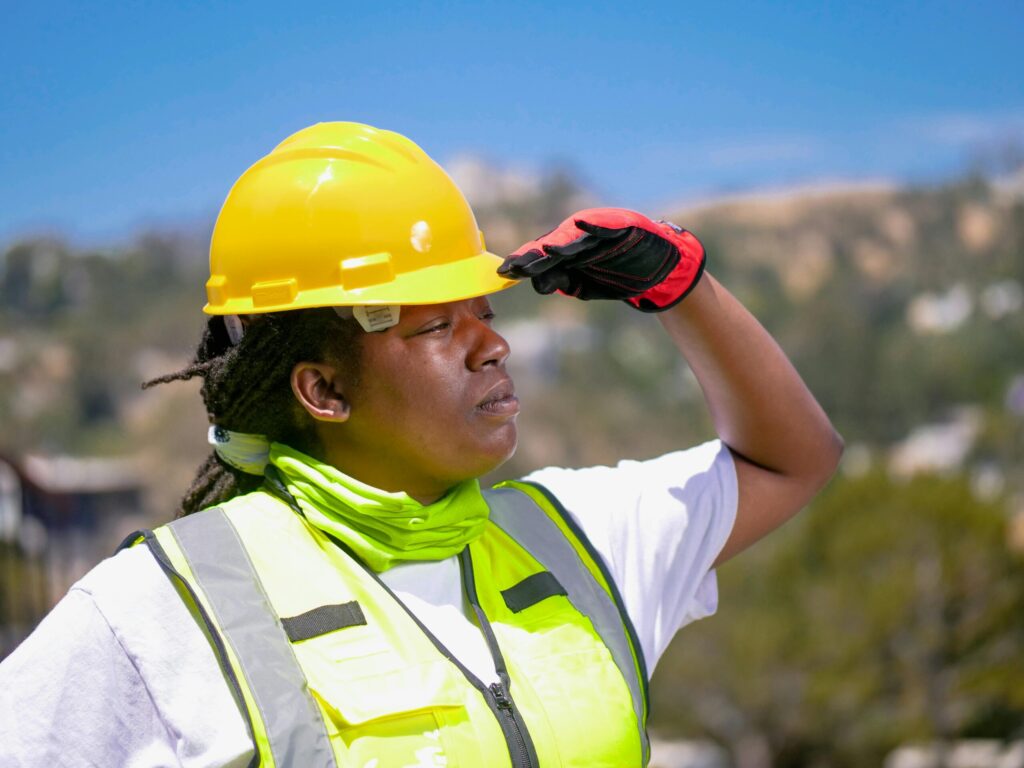
Community infrastructure projects can unlock opportunities for: emerging contractors, township and rural suppliers, youth- and women-owned SMMEs, and cooperatives and community-based enterprises.
When facilitation is strong, procurement becomes transparent, local businesses are mapped and supported, and project funds begin circulating within the community.
In Knysna, for example, place-led infrastructure upgrades leveraged local labour and enterprise participation, including locally produced street furniture and community-based design contributions—demonstrating how infrastructure can stimulate SMME growth.
This is how project spending becomes an economic multiplier, not a missed opportunity.
6. Social Benefits Beyond Economics
LED is not only about economic indicators—it is also about social progress.
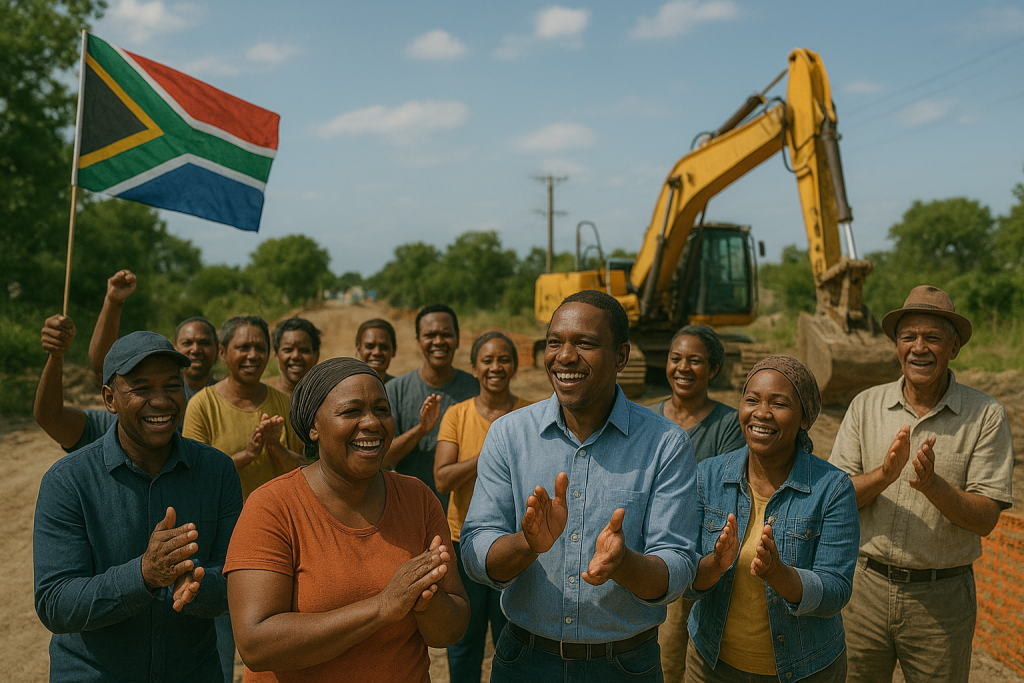
When communities experience meaningful inclusion, infrastructure projects contribute to: improved household livelihoods, stronger social cohesion, reduced protest risk, enhanced dignity and trust, and long-term resilience.
Social facilitation ensures development strengthens both the economy and the social fabric.
How Social Facilitation Powers up Local Economies

7. Attracting Investment Through Social Licence to Operate
Funders and developers increasingly recognise that projects with strong community participation are lower risk and more sustainable.
Large-scale developments such as the Greater Cornubia Development Project north of Durban illustrate how integrated infrastructure investment, job creation, and local economic activity can transform entire regions—especially when supported by structured engagement and LED alignment.
Social facilitation helps build the social licence to operate, protecting projects from: delays, stoppages, reputational damage and escalating costs.
Challenging the Conventional Wisdom
Many still believe infrastructure delivery is purely technical—engineers design, contractors build, government funds.
But South African experience shows something different:
When communities actively participate, the benefits far exceed traditional top-down approaches.
Infrastructure becomes a platform for: job creation, skills development, SMME inclusion, social stability, and sustainable Local Economic Development.
Social facilitation is what unlocks this transformation.
Conclusion: Building Local Economies Through Participation-Driven Development
Social facilitation is not an optional extra in South African infrastructure delivery.
It is the mechanism that converts project investment into: inclusive economic participation, credible empowerment outcomes, stronger community trust, and long-term local prosperity
Because in the end, development succeeds best when it is built together.

Partner with Chibase Consulting
At Chibase Consulting, we specialise in social facilitation and empowerment-focused LED delivery. We support infrastructure and development projects through: stakeholder engagement, transparent recruitment systems, SMME inclusion strategies, skills development alignment, empowerment goals monitoring, and ESG-informed social performance.
If your project requires credible community participation and measurable local economic outcomes, we are ready to assist.
Contact Chibase Consulting today to build stronger local economies through community-centred development.
