Unlocking the Root Causes of Poor Stakeholder Engagement: Why Your Strategies Might Be Missing the Mark
The Surprising Truth About Stakeholder Disconnection
Did you know that studies show a staggering 60% of projects fail due to ineffective stakeholder engagement? While many project managers believe poor communication or lack of clarity are to blame, the reality is often more complex. Sometimes, organizations inadvertently create barriers that alienate their stakeholders before engagement even begins.
For example, imagine a company launching a new product without involving customer representatives early in the process. Not only does this lead to misaligned expectations, but it also signals to stakeholders that their input isn’t valued—fueling disengagement.
This disconnect isn’t coincidence; it’s a symptom of deeper issues such as misaligned goals, organizational silos, or unrecognized power dynamics.
Uncovering the Hidden Roots of Poor Engagement
Here are five often-overlooked causes that could be sabotaging your stakeholder relationships:
Lack of Genuine Listening and Empathy
Inadequate Communication Strategies
Misaligned Expectations and Objectives
Organizational Silos and Internal Politics (Within the project team)
Internal divisions can hinder stakeholder engagement by creating barriers to collaboration. If teams are working in silos, the flow of information gets blocked, and stakeholders receive inconsistent messages.
Ignoring Cultural and Power Dynamics
Challenging Common Beliefs About Stakeholder Engagement
Many organizations believe that increasing the frequency of meetings or sending more emails will solve engagement problems. However, research suggests that quality trumps quantity. Engagement must be strategic, meaningful, and personalized.
Furthermore, some assume that stakeholders will naturally become engaged if they are simply informed. But evidence shows that proactive involvement, transparency, and mutual respect are what truly foster commitment.
Turning Poor Engagement Into a Restored Partnership
Practical Tips to Address Root Causes and Boost Engagement
If you’re ready to move beyond surface-level tactics, here are actionable steps:
- Conduct Stakeholder Analysis: Identify their needs, motivations, and influence levels. Tailor your approach accordingly.
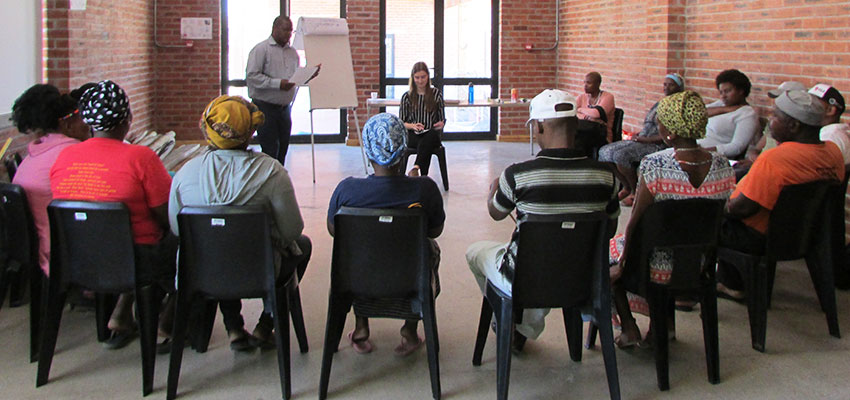
- Foster Active Listening: Create forums where stakeholders can voice concerns. Use techniques like feedback surveys and open dialogues.
- Align Expectations Early: Set clear, shared goals from the start. Use visual tools like roadmaps or charters to clarify roles and objectives.
- Break Down Silos: Promote cross-team collaboration through workshops or integrated project teams that include diverse stakeholder representatives.
- Recognize Cultural and Power Dynamics: Build cultural intelligence and ensure equitable participation. Address subtle power imbalances by fostering inclusive environments.
- Hold honest check-ins: Engage in brief, transparent discussions with 5–10 key stakeholders
- Enhance communication network: Replace broadcast updates with open Q&A sessions, Participatory Meetings, community dialogue forums, Transparent documentation, ask them what they need, agree on new ways of communicating confusion as to the direction of the project, rework and delays, reputational damage to project sponsors and weakened support for future initiatives.
Your Next Step Toward Effective Stakeholder Engagement
The key to unlocking genuine stakeholder engagement isn’t just about better communication; it’s about understanding and addressing the deeper organizational and relational factors that influence behavior. By pinpointing and tackling these root causes, you can transform disengagement into active collaboration.
Are you ready to challenge your assumptions and take your stakeholder relationships to the next level? Start by conducting a thorough analysis of your current engagement strategies—and don’t be afraid to dig deeper. Your project’s success depends on it.
Remember: Engagement is a two-way street. When you understand the hidden barriers and work to dismantle them, you unlock the true potential of your stakeholder relationships—and, ultimately, your projects’ success.