How to Prevent Project Bottlenecks Through Effective Stakeholder Engagement.
Preventing bottlenecks is not an accident. It requires intentional, structured stakeholder engagement from the first day of planning until the final handover. This is where professional social facilitation becomes a strategic advantage rather than a compliance exercise.
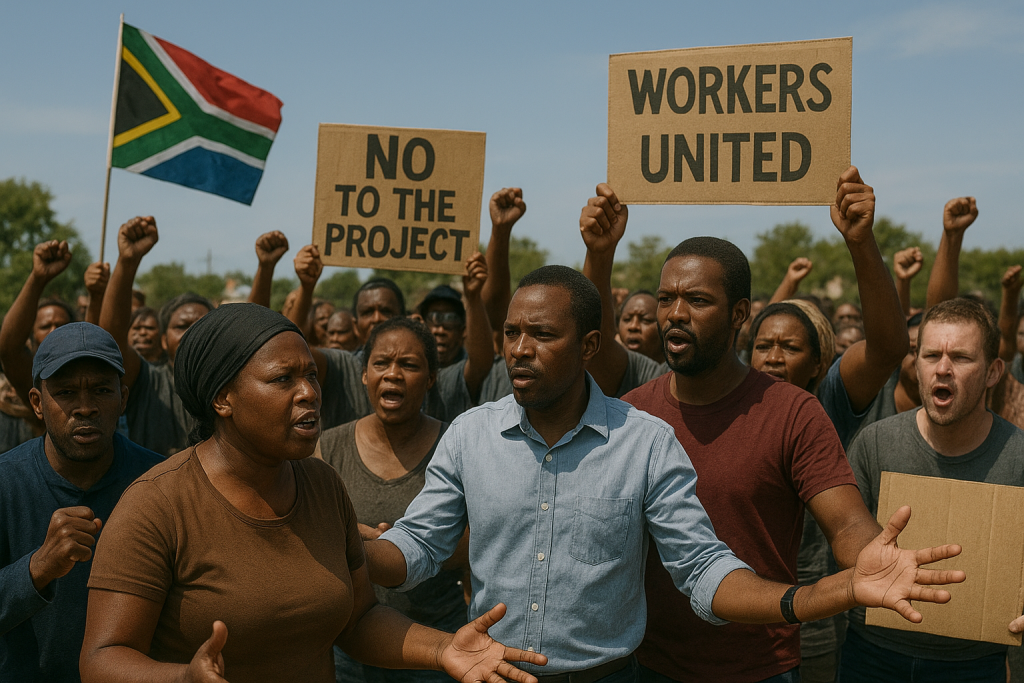
Infrastructure projects often fail—not because of technical errors or poor designs—but because human dynamics were underestimated or managed too late. In the South African context, community resistance, misunderstandings, political tensions, and unmet expectations can quickly bring a project to a standstill. These stoppages carry real consequences: delays, cost overruns, reputational damage, and strained relationships that become difficult to recover.
How Effective Stakeholder Engagement Prevents These Bottlenecks
1. Establish a Clear Understanding of the Local Context
2. Build Trust Through Transparent Communication
3. Create Mechanisms for Early Conflict Resolution
4. Clarify Empowerment and Participation Opportunities
5. Maintain Continuous Engagement Throughout the Project Lifecycle
Why Bottlenecks Happen in Infrastructure Projects
Most bottlenecks can be traced to four root causes:
1. Lack of Early Engagement
Communities and stakeholders often learn about a project only after decisions have been made. People resist what they do not understand, especially if they feel excluded from the process.
2. Misaligned Expectations
If stakeholders believe a project promises jobs, procurement opportunities, or social benefits that are not delivered, conflict becomes inevitable.
3. Poor Communication
Technical teams often use language and processes that communities cannot easily interpret, leading to suspicion and misinformation.
4. Absence of a Dedicated Liaison Function
When no one actively manages relationships and grievances, issues accumulate until they erupt into disruptions.
The Role of a Social Facilitator in Keeping Projects on Track
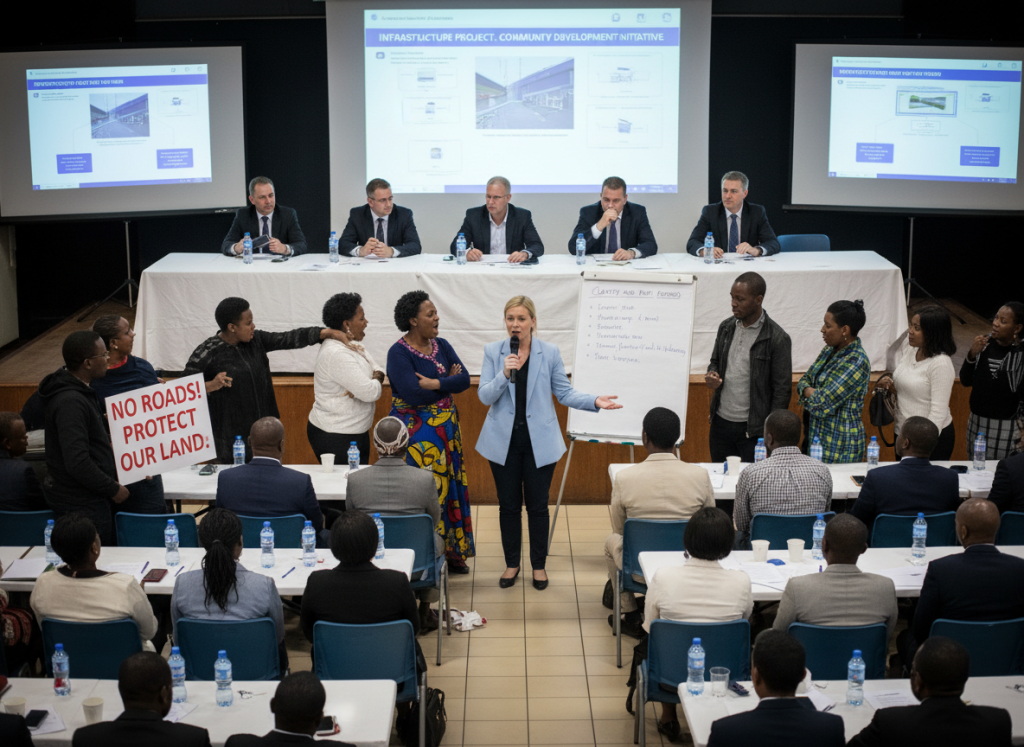
A skilled social facilitator acts as the bridge between the project and the community. Their work ensures:
smoother approvals and site entry
reduced conflict and improved cooperation
accurate expectation management
stable relations throughout construction
clear alignment with regulatory requirements
By combining local knowledge with structured engagement processes, social facilitators significantly reduce the operational and financial risks associated with community-related stoppages.
Final Thoughts
Preventing bottlenecks is not only about managing problems—it is about building relationships, creating trust, and ensuring everyone understands their role in the project. Infrastructure can only succeed when communities are active partners, not spectators.
At Chibase Consulting, we specialise in unlocking stalled projects, mediating complex community dynamics, and ensuring smooth implementation from planning to close-out. With the right approach, engagement becomes a powerful enabler, strengthening both project delivery and long-term community support.