Understanding Community Dynamics: Lessons From the Field
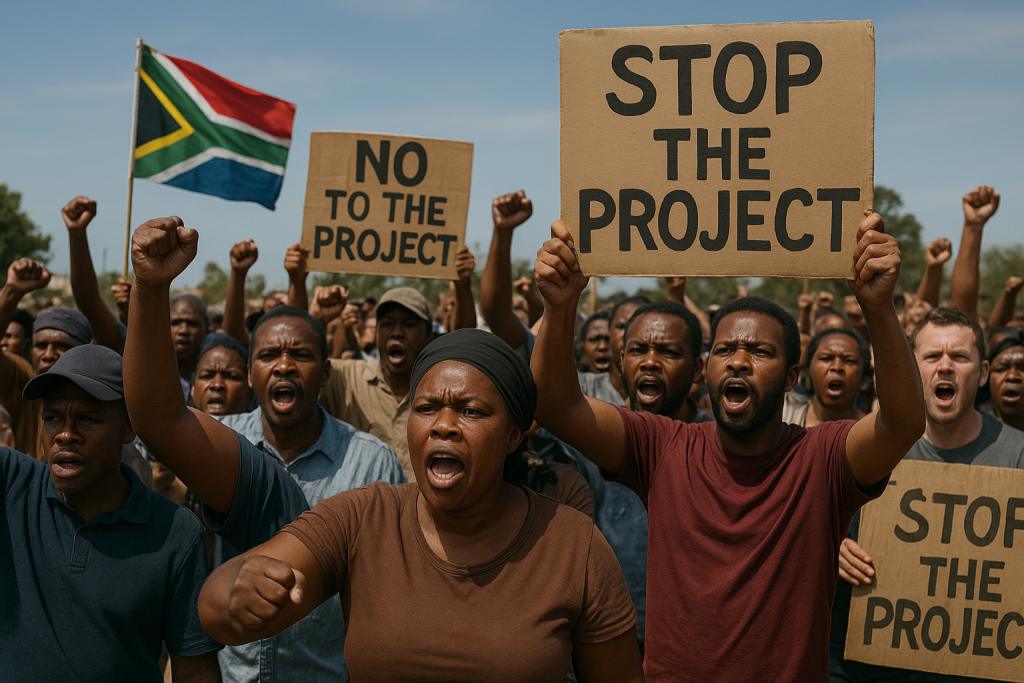
Community dynamics are not the cause of project failure. Projects do not fail because communities are difficult; they fail because communities are misunderstood.
Community dynamics reveal the unspoken rules, behaviors, motivations, and pressure points that ultimately determine whether a project succeeds or fails. In this article, I want to take you into that real-world landscape—one shaped far more by human nuance than by theory.
These are insights earned through years of walking into meetings where the air is thick, the stakes are high, and the outcomes depend on a facilitator’s ability to translate intention into understanding.
And if you are a project manager, architect, engineer, developer, SOE implementer, or funder, this message is for you.
The Real Power Brokers Rarely Sit in Official Meetings
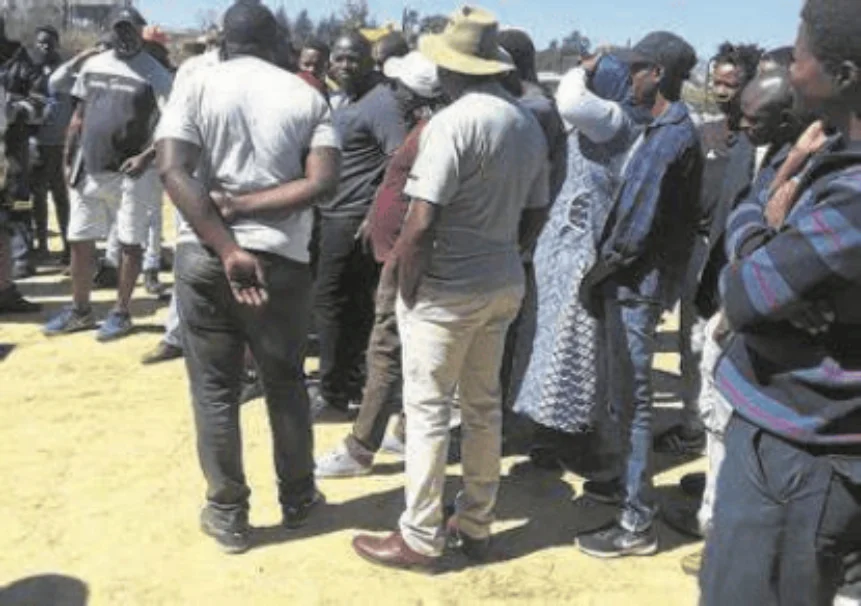
In almost every project we’ve facilitated, the individuals listed on the attendance register were not the people controlling sentiment on the ground.
Influence is often built in:
- Taverns
- WhatsApp groups
- Taxi ranks
- Informal gatherings
- Nightly “after-hour” conversations
Ignoring these spaces is the quickest route to disputes, rumors, resistance, and costly stoppages.
Every Community Has Its Own Anatomy
Communities are not homogenous groups. They are layered ecosystems with:
A successful project understands these layers before the first brick is laid.
A struggling project learns about them the hard way—mid-conflict.
Expectations Are Currency
Communities trade in expectations.
If expectations are unmanaged, frustration grows.
If expectations are aligned, collaboration flows.
This is why transparent communication is non-negotiable. It doesn’t remove disagreement, but it prevents destructive misunderstanding.
Silence Is Never Neutral
When communities go quiet, two things may be happening:
They feel reassured and trust your process; or
They are quietly organizing resistance.
Both outcomes feel identical on the surface.
This is where competent Social Facilitation and Empowerment Goals Monitoring become essential—not as compliance items, but as risk management mechanisms.
Communities Remember How You Made Them Feel.
Technical accuracy matters.
But emotional accuracy determines whether the project thrives.
Here’s a simple rule from the field:
If people feel ignored, they resist.
If people feel respected, they cooperate.
Human dignity is not a soft skill. It is an operational tool.
What These Lessons Mean for Project Implementers and Funders
Whether you are a PM, Engineer, SOE, Developer, Architect, or Government stakeholder:
Projects do not operate in a vacuum.
Communities are not “beneficiaries”; they are co-owners of project success.
Social dynamics can either accelerate delivery or derail it entirely.
Join the Conversation
I would love to hear your experiences:
Have you ever had a project threatened by community dynamics?
What lessons did you learn about influence, trust, or communication?
What mechanisms helped restore stability?
Share your insights or challenges below.
And for deeper conversations on Social Facilitation and Empowerment Goals Monitoring, follow our page or visit Chibase Consulting online.
Together, we can build projects that people believe in—because people are the real foundation of every successful development.
Where Do We Go From Here?
At Chibase Consulting, we specialize in navigating these human complexities. We help project teams:
Identify the real influencers
Build trust that holds under pressure
Stabilize projects in volatile environments
Monitor empowerment goals with integrity
Translate community concerns into actionable insight
Most importantly, we support the kind of engagement that leads to smooth delivery, sustainable partnerships, and lasting social value.
